Listen Here:
For a full list of apps, go here. Or simply search “Sigma Nutrition” in your app of choice. Or listen directly on the Sigma website here.
Introduction
In this episode, Dr. Matthew Facciani explores how social psychology influences health beliefs and the spread of misinformation. The conversation delves into why people adopt certain nutrition or health beliefs so strongly, how identity and group membership shape our interpretation of evidence, and what makes us susceptible to false or misleading health claims.
Dr. Facciani’s interdisciplinary background (spanning neuroscience, psychology, and sociology) allows him to offer a unique evidence-informed perspective on these issues. The episode centers on understanding the social forces behind health-related attitudes and how we might improve communication and critical thinking in the face of rampant misinformation.
This topic is highly relevant for health professionals and researchers because misinformation about nutrition, health, and medicine can lead to poor decisions, vaccine hesitancy, or harmful fad diets. By understanding the psychological drivers that cause people to cling to unscientific beliefs, practitioners can better address patients’ concerns and correct false claims.
- [01:41]Interview start
- [06:57]The role of identities in belief formation
- [16:01]Health attitudes and political identities
- [25:28]Improving dialogue and addressing misinformation
- [31:59]Does fact-checking work?
- [35:41]Media literacy and pre-bunking
- [44:03]Optimism and pessimism for the future
- [52:28]Key ideas segment (premium-only)
The Hosts
Click through to your app of choice to listen and subscribe:
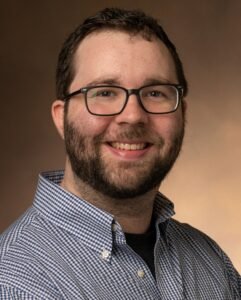
He is an interdisciplinary social scientist with a background in neuroscience and psychology and holds a PhD in sociology.
His research focuses on media literacy, misinformation, social networks, political polarization, identities, and artificial intelligence.
Through his research and public engagement, Matthew strives to bridge the gap between academia and everyday conversations about truth, trust, and media literacy.
Related Resources
Latest evidence-based insights from our nutrition science team
Introduction to this Episode
In this episode, Dr. Matthew Facciani explores how social psychology influences health beliefs and the spread of misinformation. The conversation delves into why people adopt certain nutrition or health beliefs so strongly, how identity and group membership shape our interpretation of evidence, and what makes us susceptible to false or misleading health claims.
Dr. Facciani’s interdisciplinary background (spanning neuroscience, psychology, and
sociology) allows him to offer a unique evidence-informed perspective on these issues. The episode centers on understanding the social forces behind health-related attitudes and how we might improve communication and critical thinking in the face of rampant misinformation.
This topic is highly relevant for health professionals and researchers because misinformation about nutrition, health, and medicine can lead to poor decisions, vaccine hesitancy, or harmful fad diets. By understanding the psychological drivers that cause people to cling to unscientific beliefs, practitioners can better address patients’ concerns and correct false claims.