Listen Here:
Click or simply search “Sigma Nutrition” on your podcast platform of choice.
Or listen directly on the Sigma website here.
Introduction
In the world of combat sports, optimizing performance extends beyond physical training and nutrition—sleep plays a critical role. Maladaptive sleep behaviors, such as inconsistent sleep schedules and inadequate sleep duration, can significantly impair an athlete’s performance by reducing cognitive function, reaction time, and recovery ability. Understanding these impacts is crucial for athletes and coaches seeking to enhance performance through more effective sleep strategies.
One of the key challenges combat sports athletes face is managing the effects of shift work and irregular event timings, which often conflict with typical training schedules. What are some strategies to mitigate these challenges, such as adjusting sleep schedules in advance? And what are the implications of jet lag for athletes traveling to major competitions?
While technology offers valuable tools for tracking sleep, there are potential drawbacks, including reliance on inaccurate data or the psychological effects of constant monitoring. By educating athletes and coaches on best practices for sleep, they can make informed adjustments to training regimens, ultimately enhancing overall performance.
In this episode, sleep scientist Dr. Ian Dunican discusses his work related to understanding and improving sleep behaviors in combat sports athletes.
Related resources
- Join the Sigma newsletter for free
- Subscribe to Sigma Nutrition Premium
- Become a member of Alan Flanagan’s Alinea Nutrition Education Hub
- Enroll in the next cohort of our Applied Nutrition Literacy course
- [01:43]Introduction to the Episode
- [04:38]Discussion on Recent Research Paper
- [09:52]Sleep Behaviors in Athletes
- [13:11]Questionnaire and Study Findings
- [20:38]Common Sleep Disorders in Athletes
- [33:23]Impact of Training Schedules on Sleep
- Practical Tips for Better Sleep
The Hosts
Click through to your app of choice to listen and subscribe:
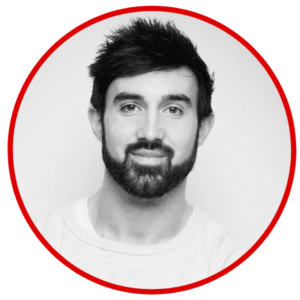
Dr. Alan Flanagan has a PhD in nutrition from the University of Surrey, where his doctoral research focused on circadian rhythms, feeding, and chrononutrition.
This work was based on human intervention trials. He also has a Masters in Nutritional Medicine from the same institution.
Dr. Flanagan is a regular co-host of Sigma Nutrition Radio. He also produces written content for Sigma Nutrition, as part of his role as Research Communication Officer.
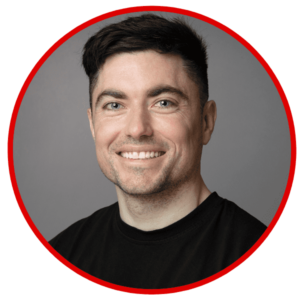
Danny Lennon has a master’s degree (MSc.) in Nutritional Sciences from University College Cork, and he is the founder of Sigma Nutrition.
Danny is currently a member of the Advisory Board of the Sports Nutrition Association, the global regulatory body responsible for the standardisation of best practice in the sports nutrition profession.
Introduction to this Episode
In the world of combat sports, optimizing performance extends beyond physical training and nutrition—sleep plays a critical role. Maladaptive sleep behaviors, such as inconsistent sleep schedules and inadequate sleep duration, can significantly impair an athlete’s performance by reducing cognitive function, reaction time, and recovery ability. Understanding these impacts is crucial for athletes and coaches seeking to enhance performance through more effective sleep strategies.
One of the key challenges combat sports athletes face is managing the effects of shift work and irregular event timings, which often conflict with typical training schedules. What are some strategies to mitigate these challenges, such as adjusting sleep schedules in advance? And what are the implications of jet lag for athletes traveling to major competitions?
While technology offers valuable tools for tracking sleep, there are potential drawbacks, including reliance on inaccurate data or the psychological effects of constant monitoring. By educating athletes and coaches on best practices for sleep, they can make informed adjustments to training regimens, ultimately enhancing overall performance.
Useful Terminology for this Episode
| Key Terms & Acronyms |
|